
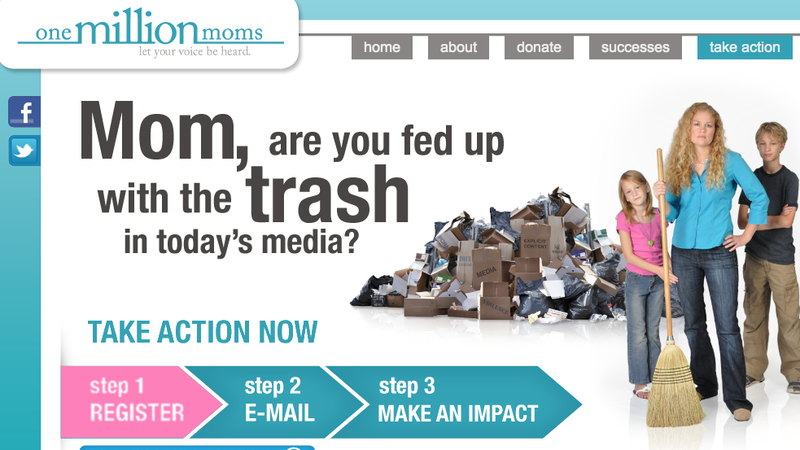
Recently, the Hallmark Channel got themselves into hot water by making a very poor decision. Zola, a wedding website service, paid for ads that include — gasp — some same-sex couples kissing in celebration of their union. An organization known as One Million Moms, which is an offshoot of the American Family Association (designated as a hate group by the Southern Poverty Law Center), complained about the ads, threatening a boycott of the channel. One Million Moms claims its mission is to “stop the exploitation of children” and to “fight against indecency.” Previously they threatened to boycott J.C. Penney’s because the company chose Ellen Degeneres to be its spokesperson. But unlike J.C. Penney, Hallmark folded at the threat of a boycott, pulling the ads.
A spokesperson for Hallmark said the public displays of affection violated the channel’s policies — a laughable claim considering all the opposite sex kissing seen in advertisements on the channel. Asked for clarification, an account representative from Hallmark said, “We are not allowed to accept creatives that are deemed controversial.”
The story went viral very quickly and within a couple of days Hallmark reversed its course, and apologized for its handling of the situation. I’m glad they did that, but ultimately I believe each of the decisions it made — accepting the ads in the first place, removing the ads, and reinstating the ads — was driven by any corporation’s prime directive: making money. I don’t believe that the network as a corporate entity cares one way or another about LGBTQ+ rights, but to some extent I’m okay with them being entirely neutral. My problem is that what they did was anything but neutral.
Typically my soapbox blogs are about school and this one will be eventually. Give me a second…
The decision to pull the ads was premised upon the idea that such an ad could be deemed controversial. On one level — a semantic one — it was controversial. People complained, people defended. So, yes, controversy. But is that all it takes? Can I get a handful of friends together, come up with some horribly unrepresentative name (One Million Teachers, anyone?) and start randomly complaining about things that offend me/us? Maybe we find it offensive that the average person in a TV commercial is better looking than average real life people. All ads featuring good looking people are offensive to us. By definition, I guess those ads are now controversial?
The inherent problem is that they’ve labeled an inherently sweet, innocent (though probably staged) expression of love between two people dedicating their lives to one another as “controversial.” For crying out loud, it’s 2019. Same-sex marriages have been legal throughout the United States for four years and in Massachusetts for fifteen. Every person in the country isn’t on board, but there are people out there who still find interracial marriages offensive. Imagine a network rejecting an ad with an interracial couple because it’s “controversial.”
Okay, so how does this relate to education? In the words of Bishop Desmond Tutu, “If you are neutral in situations of injustice, you have chosen the side of the oppressor.” Similarly, Elie Wiesel wrote, “We must take sides. Neutrality helps the oppressor, never the victim. Silence encourages the tormentor, never the tormented.” If a student in class were to say something racist, sexist, homophobic, or otherwise intolerant of other people, we have to speak up. A teacher’s silence grants a level of endorsement that is witnessed by other students in the class, whether they are a member of the group (which is brutal to contemplate) or someone outside that group who might be given tacit permission to join the oppressors.
And when public figures express positions of intolerance, teaching “both sides” is abject cowardice. Sadly we have entered an age where that goes beyond fringe celebrities, washed up actors like James Woods or Jon Voight. When the President of the United States engages in nearly daily bullying of political opponents and teenagers, failing to address his behavior validates the legitimacy of his position, and despite his wife’s wildly ironic campaign against bullying, the lesson drawn from our society’s lack of condemnation, it has merely emboldened the President and people who have observed his behavior. We don’t need to be best, we need to be better.
 Fenster on Education